

Trading Addiction Help — Recognition & Recovery
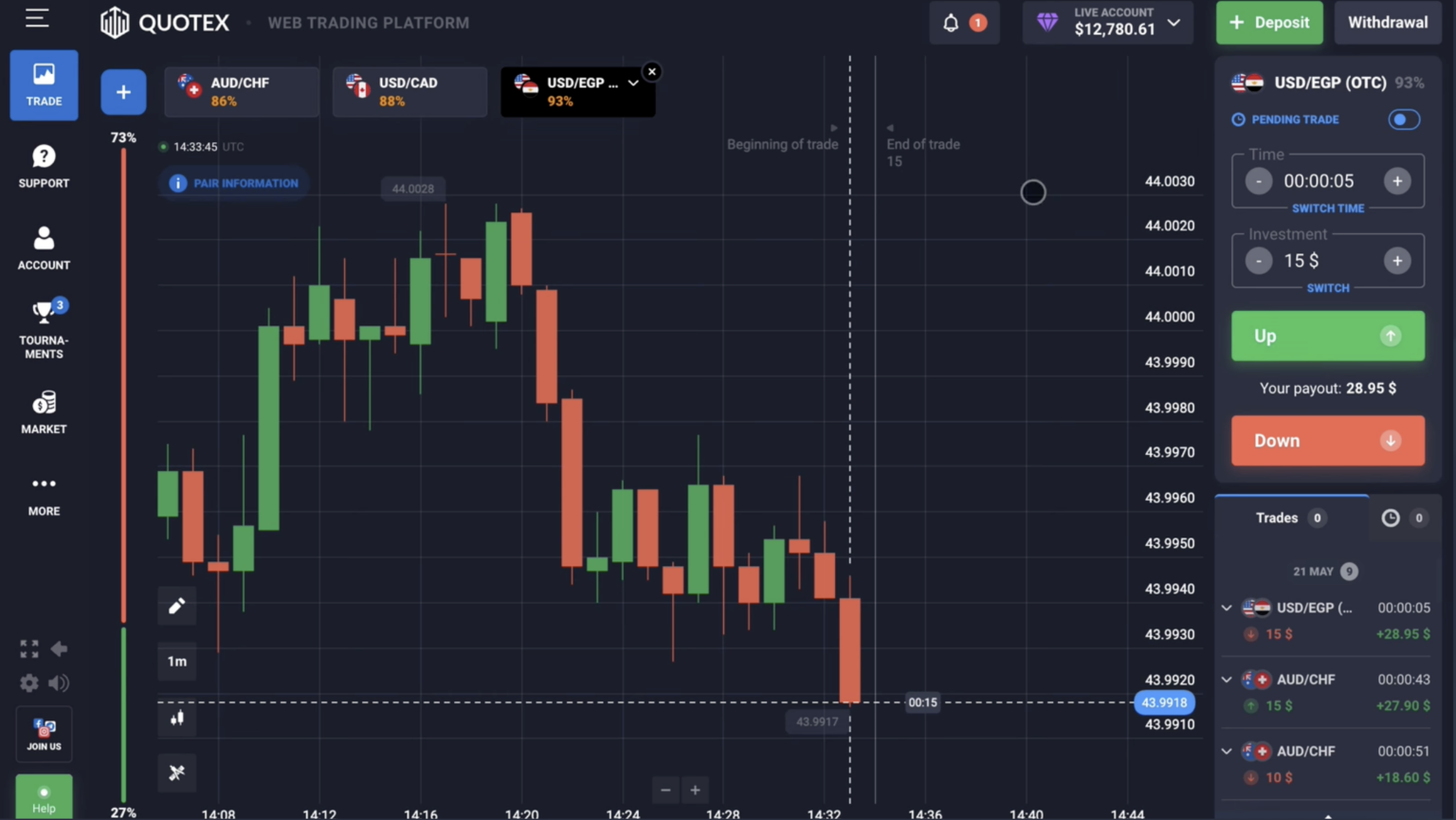
Recognizing Trading Addiction
Trading addiction shares characteristics with gambling addiction but specifically involves trading platforms. The American Psychiatric Association includes gambling disorder in DSM-5; trading addiction is increasingly recognized as a subset. Common signs:
- Sign 1 — Trading interferes with work, sleep, or family time consistently
- Sign 2 — Hiding trading activity or losses from family members
- Sign 3 — Trading with money intended for other purposes (rent, bills, savings)
- Sign 4 — Increasing position sizes to recover from losses, then deepening losses
- Sign 5 — Borrowing money or using credit to fund trading after losses
- Sign 6 — Persistent thoughts about trading throughout daily activities
- Sign 7 — Failed attempts to stop or reduce trading
- Sign 8 — Trading produces emotional highs/lows disproportionate to financial significance
- Sign 9 — Lying to others about extent of trading involvement
- Sign 10 — Continuing to trade despite significant negative consequences
Self-Assessment Questions
Answer honestly. Multiple 'yes' answers suggest seeking professional support:
- Q1 — Have you traded more often or for longer than you intended in the past 30 days?
- Q2 — Have you traded with money set aside for bills, rent, or savings?
- Q3 — Have you hidden trading losses from your spouse/family/friends?
- Q4 — Do you feel restless or irritated when you can't trade?
- Q5 — Have you traded to escape negative emotions (depression, anxiety, conflict)?
- Q6 — Do you 'chase losses' by increasing position size after losing trades?
- Q7 — Have you borrowed money to fund trading after significant losses?
- Q8 — Has trading negatively affected your job, relationships, or mental health?
- Q9 — Have you tried to stop trading but found you couldn't?
- Q10 — Has trading consumed more of your time/energy/money than you initially intended?
Immediate Self-Help Actions
- Action 1 — Pause trading for 30 days minimum. Close the Quotex platform; uninstall mobile app if needed
- Action 2 — Tell someone you trust about your trading and concerns
- Action 3 — Block self-access to Quotex (some software like Cold Turkey or Freedom can block sites)
- Action 4 — Calculate total trading losses honestly — write down the actual amount; don't minimize
- Action 5 — Stop following trading content on social media (mute/unfollow YouTube, Telegram, Twitter accounts)
- Action 6 — Engage with helpline below for professional guidance
Professional Help — Helpline Contacts
Specific helplines for problem gambling/trading vary by country. Free, confidential, available immediately.
| Country/Region | Helpline Name | Contact |
|---|---|---|
| UK | GamCare | Phone: 0808 8020 133 / gamcare.org.uk |
| UK | BeGambleAware | begambleaware.org / 0808 802 0133 |
| Australia | Gambling Help Online | gamblinghelponline.org.au / 1800 858 858 |
| Canada | Problem Gambling Helpline | 1-866-531-2600 / connexontario.ca |
| USA | National Council on Problem Gambling | 1-800-522-4700 / ncpgambling.org |
| India | iCALL | 9152987821 / icallhelpline.org |
| Singapore | National Council on Problem Gambling | 1800 6 668 668 |
| Brazil | CVV (Centro de Valorização da Vida) | 188 / cvv.org.br |
| Philippines | HOPELINE | 0917 558 4673 |
| Worldwide | Gamblers Anonymous (in-person + online) | gamblersanonymous.org |
Financial Recovery After Significant Losses
- Step 1 — Stop the bleeding: pause all trading immediately, lock accounts if possible
- Step 2 — Honest accounting: list total losses, current debts, financial obligations
- Step 3 — Don't pay 'recovery specialists' — no legitimate service can recover trading losses (see /scam-warnings/)
- Step 4 — Speak to a non-profit credit counselor about debt management (many countries have free non-profit credit counseling)
- Step 5 — Inform family/spouse if relevant — financial transparency rebuilds trust
- Step 6 — Address the underlying issue (trading addiction) before considering any return to trading
- Step 7 — Some traders successfully return to disciplined trading after recovery; others find permanent abstinence necessary — both are valid outcomes
Family & Friends — How to Help
- Listen without judgment — addiction shame is often the biggest barrier to seeking help
- Don't lecture or shame — these tactics typically push the person away rather than help
- Suggest professional resources — provide phone numbers/websites, don't pressure call
- Don't enable by paying off trading debts — addiction without consequences continues
- Take care of YOUR mental health — affected family members benefit from support groups like Gam-Anon
- Be patient — recovery from behavioral addiction typically takes 12-24 months minimum
Trading Addiction FAQ
Is trading addiction real?
Yes — recognized in psychiatric literature as a behavioral addiction similar to gambling disorder. DSM-5 includes gambling disorder; trading addiction shares core features (compulsive behavior despite negative consequences, escalation, withdrawal-like symptoms when stopping). Treatment approaches developed for gambling addiction generally apply to trading addiction.
Can I recover and trade again?
Some people do, after significant work on the underlying addiction. Others find permanent abstinence necessary. Recovery requires: addressing emotional/psychological factors driving compulsive behavior; rebuilding healthy financial relationships; new strategies for managing risk and stress. Returning to trading without addressing root causes typically leads to relapse. Professional guidance recommended for return-to-trading decisions.
How is trading addiction different from being a 'serious trader'?
Serious traders have clear rules, defined position sizing, can stop when limits are hit, maintain healthy relationships and finances. Trading-addicted users override their rules, can't stop despite consequences, hide activity, escalate stakes after losses. The behavior pattern differs; the underlying activity (trading) is the same.
Should family members confront the trader?
Confrontation often increases denial and conflict. Better approach: express concern compassionately, share specific observations (not generalizations), suggest resources without ultimatums initially. Professional family-intervention specialists can help in serious cases. The goal is opening communication, not winning an argument.
Are some people more susceptible to trading addiction?
Risk factors: family history of gambling/substance addiction; co-occurring anxiety/depression; recent significant life stressors (job loss, divorce, financial trauma); impulsive personality traits; isolation/loneliness; previous trauma. None of these guarantee trading addiction, but they increase susceptibility. Awareness allows proactive prevention.
What's the difference between 'losing money trading' and 'trading addiction'?
Losing money trading is a financial outcome; trading addiction is a behavioral pattern. Many traders lose money through normal variance or lack of skill without being addicted. Addiction is characterized by: continuing to trade despite mounting consequences; hiding activity; can't stop despite trying; escalating to recover; impact on relationships/work/sleep/mental health. The financial losses are a symptom of addiction, not the addiction itself.
Quotex
Disclosure: Sign-up links on this page may earn us a commission at no extra cost to you. This does not affect the editorial accuracy of our content — payouts, methods, and platform features are reported as observed.