

Is Quotex Halal in India? Islamic Trading Analysis
The Short Answer — What Most Scholars Say
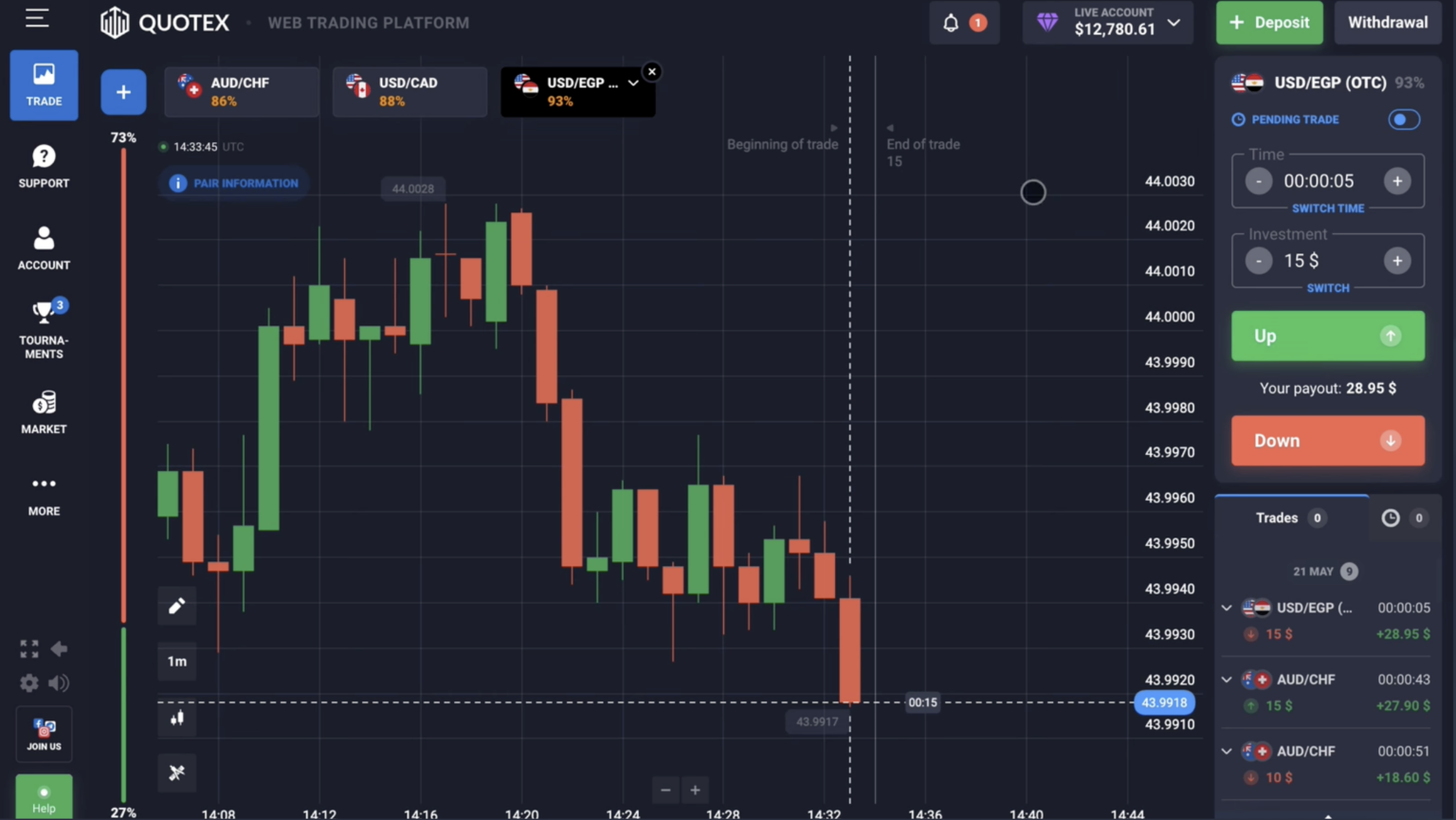
The majority view among contemporary Islamic finance scholars is that standard binary options trading is haram (forbidden under Sharia). The primary reasons are: gharar (excessive uncertainty about outcomes) and maysir (resemblance to gambling). Binary options have a fixed-time, fixed-payout structure where the outcome resembles a bet — you either win the payout or lose the full stake. This structure is fundamentally different from spot trading or asset ownership, which can be permissible under specific conditions. Major Islamic finance authorities including AAOIFI (Accounting and Auditing Organization for Islamic Financial Institutions) and several Indian Islamic legal authorities have ruled against binary options. This page is informational and does not constitute religious advice — consult your local Islamic scholar for a binding ruling specific to your circumstances.
Why Binary Options Are Considered Haram
Four key Islamic finance principles raise concerns with binary options. Understanding these helps explain why the consensus view is that they are not permissible.
- Gharar (excessive uncertainty) — Sharia requires transactional clarity. Binary options' fixed-time, all-or-nothing outcome introduces excessive uncertainty about the result, which is prohibited
- Maysir (gambling) — Binary options resemble betting on a future event. Sharia distinguishes between productive risk-taking (permitted) and gambling-like speculation (forbidden). Binary options closely match the gambling pattern
- Riba (interest) — Some platforms charge overnight rollover fees which constitute riba. Quotex binary options don't have rollover, but the broader product structure is still problematic
- No real ownership — In permissible trading, you own (or have rights over) an underlying asset. In binary options, you own nothing — you have a contract that pays based on price direction, but no asset position
Scholarly Opinions Referenced
Indian Muslim traders often reference these scholarly authorities when evaluating financial products. The opinions below are paraphrased — for binding rulings consult the original fatwas.
| Authority | Position on Binary Options | Reasoning Summary |
|---|---|---|
| AAOIFI (international standards body) | Generally haram | Gharar + maysir concerns; no ownership of underlying |
| Mufti Taqi Usmani (renowned Islamic finance scholar) | Haram | Resembles gambling; lacks productive purpose |
| Darul Uloom Deoband (Indian Islamic authority) | Haram (binary options); spot forex with conditions may be permitted | Gharar; uncertain outcome |
| Jamia Islamia (Pakistan) | Haram | Gambling characteristic |
| Some individual contemporary scholars | Permissible if treated as commercial speculation, not gambling | Minority view; based on broader interpretation of risk-taking |
Halal Alternatives for Indian Muslim Traders
Indian Muslim traders seeking permissible financial-market exposure have several options that most scholars accept. None of these are available on Quotex (which is a binary options platform), so this means choosing a different platform entirely.
- Sharia-compliant equity investing — buying shares of companies screened to exclude haram industries (alcohol, gambling, conventional banking, etc.) through Indian platforms like Zerodha or Groww
- Halal mutual funds — Tata Ethical Fund, Taurus Ethical Fund are Indian Sharia-screened equity funds
- Spot forex trading at Sharia-compliant brokers — some brokers offer 'Islamic accounts' without rollover/swap fees (this requires careful verification)
- Commodity ownership (gold via SBI Gold or gold ETF) — direct ownership is generally permissible
- Halal cryptocurrency holding (with debate among scholars on this — some accept BTC ownership, others reject)
- Sukuk (Islamic bonds) — fixed-income alternative to conventional bonds
Why We're Transparent About This
Many binary options platforms advertise themselves as 'halal' or offer 'Islamic accounts' that simply remove overnight rollover fees while keeping the binary options product structure unchanged. The underlying gharar and maysir concerns remain regardless of overnight fees. We do not market Quotex as halal because, in the majority scholarly view, the product itself is not halal regardless of account features. We share this analysis honestly because we believe Muslim Indian traders deserve accurate information rather than marketing that obscures the religious question. If after reading this and consulting your scholar you wish to proceed, that decision is yours. If you decide binary options are not appropriate, we recommend you explore the halal alternatives above.
Practical Guidance for Muslim Indian Traders
- Step 1 — Consult your local Islamic scholar with the binary options product description specifically (don't ask 'is online trading halal' broadly — that's too vague)
- Step 2 — If your scholar rules haram, explore the halal alternatives above for similar financial goals
- Step 3 — If your scholar accepts the minority view that binary options are permissible commercial speculation, treat it as such — small position sizes, written rules, no gambling-style emotional trading
- Step 4 — Whatever your decision, ensure tax compliance in India (profits taxable as Income from Other Sources)
- Step 5 — Keep records of consultations and ruling if you proceed — for your own clarity and potential future review
FAQ — Quotex and Halal Trading
Does Quotex offer an Islamic account?
Quotex offers swap-free trading by default (no overnight rollover fees on binary options because expiries are fixed). However, this does not resolve the deeper gharar and maysir concerns about the binary options product itself. The majority scholarly view is that the binary options structure is haram regardless of swap fees. We don't market Quotex as halal.
If I'm Muslim, should I avoid Quotex entirely?
Based on the majority scholarly view, yes — Muslim traders following mainstream Sunni or Shia jurisprudence should avoid binary options including those on Quotex. We provide this analysis transparently because we believe Muslim traders deserve accurate religious information rather than marketing claims.
Are there any binary options platforms that are halal?
We are not aware of any binary options platforms that have received majority scholarly endorsement as halal. Some platforms advertise 'Islamic accounts' but this is generally swap-free trading rather than a structurally different product. The gharar/maysir concerns are about the binary options structure itself, not the account type.
What about spot forex? Is that halal?
Spot forex is more complex than binary options. Some scholars accept spot forex if: (1) immediate settlement (T+0), (2) actual delivery/ownership, (3) no overnight rollover (Islamic account). Other scholars reject it. This is a separate question from binary options and requires its own scholarly consultation. Even where spot forex is accepted, that doesn't mean binary options become acceptable.
I'm a minority-view Muslim who believes binary options are permissible commercial speculation — can I use Quotex?
If you have a personal scholarly ruling supporting permissibility, your decision is between you and your conscience. We treat all of our content with respect for traders across belief systems. If you proceed, we'd suggest extra discipline: smaller position sizing, written strategy, daily loss limits — practices that distinguish commercial speculation from gambling-like behavior.
Where can I find an English-speaking Indian Islamic scholar to consult?
Many Darul Iftas (Islamic legal-opinion offices) in India have online fatwa request systems in English. Darul Uloom Deoband Online, Darul Ifta Birmingham (UK-based but accessible), and Islamic Foundation Trust UK all provide written rulings on financial questions. Provide the specific product description (binary options on Quotex with fixed-time expiry and fixed payout) rather than general questions.
Quotex
Divulgação: os links de inscrição nesta página podem nos render uma comissão sem custo adicional para você.